Chapter 6. Discovery
In this step you begin to map out the customers understanding of his own problem. What problem is he/she trying to solve? You will need to figure out different aspects of the problem:
- What is the urgency for the customer?
- Who are involved in the decision process?
The discovery phase is where you start to name the problem. Your goal is to get the answers to the following questions:
- How do i discover the problem that drove the customer to this market?
- How do uncover the key purchase criteria that will drive this sale?
- How do i help the customer discover his key problem?
- How do i identify the best solutiuons for this problem?
- How do i discover which of the benefits of my product are most relevant for this customer?
Contents
Questioning for results
In How you make the sale questioning for results mentions the technique of Differential Diagnostics that is being used by Doctors. The discovery step describes the difference between Closed Questions and Open Questions:
Open Questions
In How you make the sale Open questions are defined as the "essay" questions of life, they require a paragraph answer. They often begin with words or phrases like:
- "Tell me about?"
- "Explain?"
- "What happened when?"
- "Why?"
- "How?"
- "How do you feel about?"
Open questions are useful because:
- They open up a topic.
- They get lots of information
- They provide a more conversational interaction than a series of closed questions
A disadvantage is that they take a lot of time.
Closed Questions
Closed questions are questions that ask for an immediate clear answer. "Yes", "No". Closed questions can be useful when you know the customer and you probe further into his needs taking the lead in the conversation. Probing Questions are used to gather additional information about a topic that is already on the table. The purpose of the probe is to encourage the speaker to keep talking.
Question types
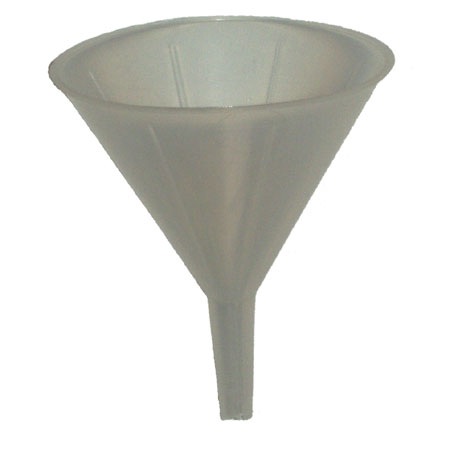
The Funnel Questioning Pattern
In the funnel questioning pattern, you start with Open Questions and narrow focus gradually to Closed Questions and clarify the topic.
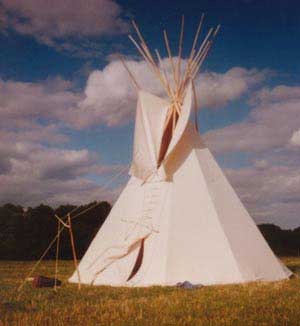
The Tipi Questioning Pattern
In the tipi questioning pattern, one starts withs a few Closed Questions and open up later. The focus is on getting the information you need to help the customer define and solve his/her problems.
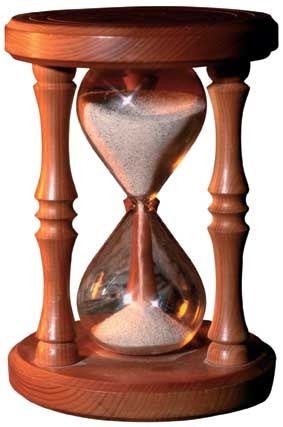
The Hourglass Questioning Pattern
The hourglass questioning pattern is mariage of the Funnel and the Tipi. The conversation begins with an open question, then moves to a closed question as the focus narrows. The closed questions identify new issues of concerns and start the room for a new topic.
Sample Questions
Core Problem
- What problem are you trying to solve with this purchase?
- Why did you decide to make this purchase now?
- If this purchase solves your problem, how will things be different?
- How is thye current situation affecting your ability to get your work done?
- How do you hope that this purchase will make things better?
Product specifications
- What is the single most important way you want this purchase to improve or be different from the products / services you currently use?
- What is the single most frustating thing about the product or service you will be replacing?
- How much output are you looking for from the new equipment?
- How much output are you getting frome the current equipment?
- What is the downtime of the current equipment?
- What do you spend on maintenance?
- What is your current efficiency level? What would you like to have?
Competition
- Who else are you talking with about this purchase?
- Have you had any previous experience with this company?
- What other products do you consider?
- Have you had previous experience with this brand/product line?
- Do you have references for the suppliers you are considering?
- Can i give you some references to compare?
Price
- How much is your budget for this purchase?
- Have you already committed the money or are you exploring?
- How much did you pay for the item you will be replacing?
- Where does price fit in the list of attributes that will help you make this decision?
- Have you considered total costs (downtime., maintenance, product life time) as a possible way to make the decision?
Buying process
- Who else will be involved in making the buying decision?
- Will any end users be involved?
- Could i talk to some end users?
- When do you anticipate you will make the decision?
- What criteria will drive your decision?
- If a committee is involved in the buying decision could i meet all persons?
Question Families
Examples of groups of questions you may want to explore during a sales cycle include:
- Reputation / Perception (of manufacturer, sales person, product)
- Price (gross and net)
- Cost ((not the same as price, includes price of maintenance)
- Financing
- Productivity ? Efficiency
- Quality
- Image (not the same as reputation, more status focussed)
- Service (availability,. quality and training of service people)
- Warranty
- Technology
- Complexity
- Product Options
- Purchase
- Delivery
- Uses and applications
- Problems
