Class II Medical Devices
Class II Medical Devices are more complicated and present greater risk than Class I devices. Class II devices are subject to FDA's General Controls. Furthermore, because those controls do not provide reasonable assurance of the device safety and effectiveness, these devices are subject to any specific performance standards, postmarket surveillance, patient registry, guidelines, and premarket notification requirements promulgated by the FDA.
Class II Medical Devices have the potential to pose a mild risk to a patient if used incorrectly. General controls alone are not adequate to assure the safety and effectiveness of the device. Due to these risks, special controls must be implemented in addition to general controls. Class II devices typically require pre-market notification by submission and FDA review of a 510(k) clearance to market submission. Special Controls applicable to Class II Devices are as follows.
- Special labeling requirements,
- Mandatory performance standards, both International and United States
- Postmarket surveillance
- FDA medical device specific guidance
Examples
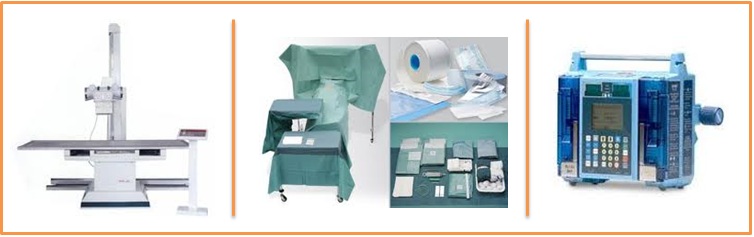
Examples of Class II devices include physiologic monitors, x-ray systems, gas analyzers, pumps, and surgical drapes:
See also: Premarket notification
