Difference between revisions of "The Democratic Leadership Style"
Jump to navigation
Jump to search
(Created page with "="Let's decide together"= The primary objective of the democratic style is '''''building commitment and consensus'''''. The democratic style is about gathering input. It is a...") |
|
| (One intermediate revision by the same user not shown) | |
(No difference)
| |
Latest revision as of 19:28, 27 August 2020
Contents
"Let's decide together"
The primary objective of the democratic style is building commitment and consensus. The democratic style is about gathering input. It is about building a vision and setting standards together. It is about sharing decisions and responsibility.
But what happens when team members are inexperienced or incompetent - when, in fact, you know best? In that ease, involving everyone in the decision-‘making process wouldn't be the wisest choice.
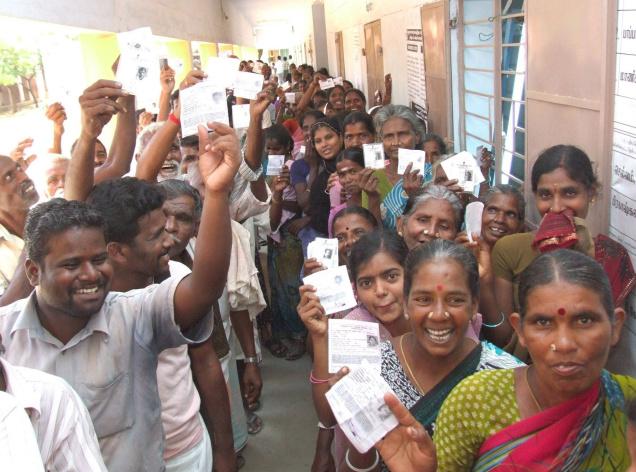
The democratic style in action
When using this style a manager:
- invites team members to make decisions affecting their work
- listens carefully to team members’ ideas
- trusts that team members have the capability to develop the appropriate direction for themselves and the organization
- reaches decisions by consensus
- rewards team performance, rather than addressing it individuals with specific feedback.
The democratic style is most effective:
- when team members are competent and they have at least as much information and knowledge as the manager ~
- when team members” work must be coordinated ctogethef
- in instances when a manager is unclear about the best approach or direction and has competent team members who might have clearer ideas.
The democratic style is least effective:
- in crises - when there is no time for meetings or discussions
- when team members are incompetent, lack crucial information, or need close supervision.
If you feel the situation needs you to be more democratic:
- Hold information sharing meetings.
- Keep everyone involved and well informed about the organizational issues affecting them.
- Each time you hear of a decision or change in your organization, ask yourself if your team should know. Will it provide clarity?
- Will it inform their activities?
- Hold frequent meetings to share information and ideas.
- Always try to include everyone who is going to be directly affected.
- Conduct participative meetings
- This requires excellent meeting-management skills; agenda setting, time management, drawing in reticent people, holding back dominant individuals, listening, self-control, patience, etc.
- Share decision-making
- Ask your team to participate in making major decisions with you.
- Give them whatever relevant information you have.
- Then encourage them to decide collectively how they want to respond to those issues.
- Seek consensus
- Avoid taking an action or making a decision quickly.
- Wait until everyone has been heard and supports the decision as the best course of action under the circumstances.
- Give your team opportunities to show their capability
- Give your team the job of identifying something that needs to be improved - and let them decide how to improve it. Then let the team's decision stand! You may want to start with something which you feel is not critical - where you will be comfortable to go with the team's decision - but which helps you assess your team’s true capabilities.
If you feel the situation needs you to be less democratic:
- ls this just a habit?
- ls being democratic part of your culture?
- Do team members expect to be involved in this way?
- Does it make your organization effective?
- What other managerial style or styles might maintain your team’s performance, while increasing your speed and efficiency?
- Did it work in the past?
- Have you always been able to rely on the capability, involvement and engagement of team members?
- Have you always had plenty of time to make thorough decisions?
- Can that continue into the future?
- Will it work in the future?
- Will the democratic style continue to be effective in the long term?
- Are you putting enough energy into building team members capability so that you can continue this approach? Use your judgment to assess team members’ capability and engagement.
- Set standards in the short term or provide coaching in the long term if you feel you need to.
- How do you see yourself as a manager?
- Do you see your role as 'first among equals'?
- Do you believe that your team members’ capability and knowledge is greater than yours?
- Which other approaches might be more expedient or efficient for your team?
- Do team members all share the organization’s vision?
- Do you feel that team members are drifting from the organization’s vision?
- Be ready to remind team members who or what you are all there for!
